
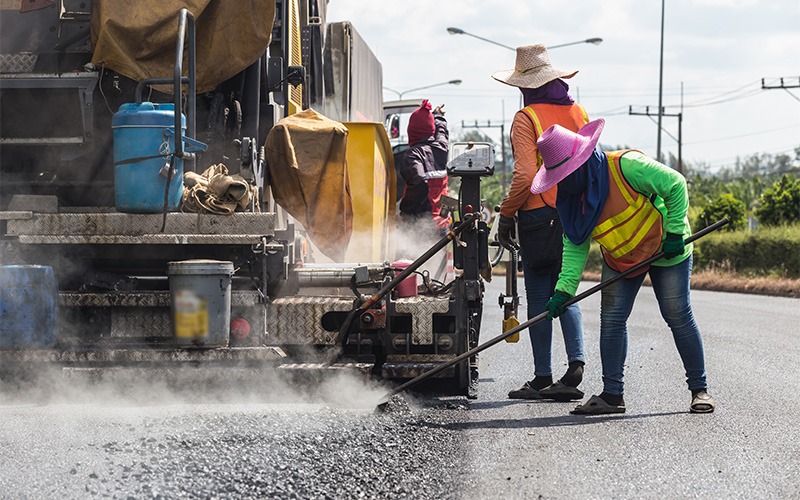
When public streets or busy parking lots start to get bumpy and full of cracks you do not have to tear up the entire foundation to fix them. Local paving crews can use a highly efficient technique called asphalt scraping to save time and money. This guide will show you exactly how heavy machinery shaves off the damaged top layer of asphalt to prepare the surface for a fresh and long lasting coat of pavement.
Key Takeaways
- The complete road milling process uses a heavy machine to shave off a damaged top layer of asphalt down to a precise depth, which clears away cracks and creates a textured surface so new pavement can stick.
- Instead of paying for a full excavation of the stone base, crews quickly mill the top layer of worn blacktop, which keeps construction costs low and lets drivers back on the road in days.
- The crushed stone and oil glue shaved off by the machine are loaded onto trucks and taken to a plant to be mixed into fresh hot asphalt, which keeps waste out of landfills.
- Repetitive paving makes roads too tall and blocks water from reaching gutters, but milling shaves down the elevated surface to restore proper water flow and prevent flooding.
10 Steps of the Road Milling Process
Asphalt is incredibly tough but weather and heavy traffic will wear it down over time. Instead of replacing the entire road pavement workers use a smart process called road milling to fix the surface. Here are the ten steps crews follow to get the job done right.
1. Planning and Scanning the Road
Before any big machines show up on the job site engineers must walk the road to inspect it. They look for buried utility lines like gas pipes and water lines and electric cables. It is very dangerous if a heavy machine cuts into a live utility line so workers use spray paint to flag these spots on the ground. The engineers also measure the thickness of the old pavement to decide exactly how much asphalt they need to shave off without hitting the dirt below.
2. Cleaning Off the Street
A clean road is safe for heavy machinery and workers. Crews use large sweeping trucks with spinning steel brushes to clear away loose rocks and trash and dirt. If they do not clean the road first the spinning teeth of the milling machine can pick up loose debris and throw it into the air. This flying debris can damage nearby cars or hurt workers standing on the side of the road.
3. Setting Up Traffic Controls
Safety is the most important part of any road construction job. Workers place bright orange cones and warning signs to guide drivers around the work zone safely. They block off lanes but they try to keep traffic flowing as smoothly as possible. Flag-pullers stand at both ends of the construction zone to make sure cars do not accidentally drive into the path of the massive milling equipment.
4. Getting the Milling Machine in Place
The milling machine is a massive vehicle with a giant spinning drum underneath it. The crew drives this machine to the start of the road and lines it up carefully. The operator climbs into the elevated cabin and prepares the computer controls for the day. Several ground workers walk alongside the machine to watch the edges and make sure the machine stays in a straight line.
5. Adjusting the Drum Depth
The operator uses advanced computer sensors to set the exact depth of the cut. Sometimes they only need to shave off a tiny fraction of an inch to remove minor bumps or tire tracks. Other times they must cut down several inches to remove deep cracks and old patches. The machine has hydraulic legs that can raise or lower the frame to match the exact depth needed for the road.
6. Chewing up the Old Asphalt
The giant metal drum under the machine starts to spin at a very high speed. This drum is covered in hundreds of sharp teeth made of carbide steel. As the machine rolls forward these tough teeth smash the hard asphalt into tiny gravel pieces. The machine sprays water onto the drum while it cuts to keep the metal teeth cool and prevent huge clouds of dust from filling the air.
7. Conveying the Loose Rocks
The milling machine does not leave a mess behind on the ground. A built-in conveyor belt catches the loose gravel as soon as the drum grinds it up. The belt shoots the hot material up a long chute and dumps it directly into the back of a large dump truck driving ahead of the machine. When one dump truck gets full it drives away and another empty truck backs up to take its place without the milling machine ever stopping.
8. Cleaning the Freshly Grooved Road
Once the milling machine passes it leaves behind a rough and grooved surface. This grooved pattern is often called a milled surface and it looks like a giant sheet of corduroy fabric. Crews must sweep this area again with mechanical brushes to remove any leftover dust or loose pebbles. A clean surface is absolutely necessary because it allows the new asphalt to bond perfectly with the old road.
9. Spraying the Sticky Liquid Glue
Workers drive a special truck over the clean grooved road to spray a thin layer of liquid asphalt glue. Paving crews call this a tack coat and it acts like strong double sided tape. The glue fills the tiny grooves left by the milling machine and creates a sticky foundation. This step ensures that the old road and the brand new asphalt layer fuse together into one solid block.
10. Laying and Rolling the New Asphalt
Finally the paving machines lay down a hot fresh layer of asphalt over the sticky grooves. Heavy steamrollers drive over the top of the hot mix to pack it down tight. The rollers erase any air pockets and create a flat surface. Once the new road cools down for a few hours the cones are removed and drivers get a perfectly smooth ride.
11. Why We Recycle Millings
One of the best things about road milling is that it is highly sustainable. The crushed asphalt loaded into the dump trucks is called recycled asphalt pavement or RAP. Instead of throwing this material into a landfill trucks take it directly to an asphalt plant.
At the plant workers mix the old gravel with a little bit of fresh oil glue and heat it up. This process creates brand new hot mix asphalt at a fraction of the cost. Recycling these millings saves natural resources like stone and oil and keeps road construction costs low for taxpayers.
12. Knowing When Your Road Needs Milling
Not every damaged road is a good candidate for milling. If the ground underneath the pavement is soft and muddy milling will not fix the problem. You can tell if your road needs milling if the surface has minor issues like shallow cracks or ruts from heavy vehicles.
Milling is also perfect when a road has been paved too many times and has become too high. If a road is too high it can block water from reaching the storm drains and cause flooding. Milling shaves down the height so the road can drain properly again.
Conclusion
Road milling is a smart and eco-friendly way to repair old streets without wasting time or money. It saves resources by recycling the old pavement and it allows crews to fix roads in a matter of days instead of weeks. The next time you drive over a grooved road in your town you will know that the milling process is working to bring you a smoother and safer ride.